The most effective low-maintenance lawns I have actually seen share one thing alike: they were prepared for the method individuals in fact live, not for weekend break gardeners with limitless time. When you create a landscape around actual schedules, it alters every choice you make, from the shape of the lawn to the sort of compost under the shrubs.
Whether you take care of a packed job calendar, manage kids and carpools, or merely favor not to invest your leisure time behind a mower, you can still have an appealing, polished outside space. The secret is to spend a little idea and, where feasible, some upfront work so the landscape does a lot of the heavy training for you.
This puts on both domestic landscaping around a single home and to tiny business homes where visual allure issues but maintenance budgets are limited. The very same concepts show up across yard landscape design, industrial landscaping, and larger-scale landscape building and construction jobs: simplify, standardize, and respect the site.
Start With How You Utilize Your Yard
Before deciding on plants or hardscape products, it helps to be straightforward concerning what in fact occurs in your lawn. I often begin a landscape design discussion with basic, functional questions.
Do you hold friends outside, or is the lawn mostly a backdrop you translucent the windows? Do kids or pet dogs require open space to run? Do you take a trip typically? How much straight sun and wind hit your property?
I when worked with a couple that urged they wanted a big grass. On a site see, I asked how typically they rested outside currently. They admitted they seldom did. What they actually desired was a clean, environment-friendly sight from the kitchen area and a tidy entrance. We minimized the lawn to a charitable but small rectangular shape and devoted the remainder to sturdy bushes and gravel. Their once a week mowing went from more than an hour to 15 minutes.
Think regarding:
- The locations you go through daily, like front access and side paths to trash and recycling. The views you appreciate many, such as what you see from the living-room or home office. Any certain features: barbecuing, playing, a pet dog run, or a small veggie patch.
Once those priorities are clear, everything else can come to be history. History locations are where low-maintenance techniques settle the fastest.
Shrink the Grass Without Shedding the Green
Grass is commonly the most significant time sink in residential landscape design. Even a modest yard demands mowing, edging, fertilizing, and watering. For many active house owners, the objective must not be absolutely no yard, yet the right amount of grass in the ideal shape.
The most reliable grass share numerous qualities. They are simple in summary and easy to mow, with lengthy straight runs or big, mild curves. They full-service Pasadena landscaping company are not studded with tiny islands of planting that need delicate cutting. They lie where people actually walk, rest, or play, not tucked in uncomfortable edges where a mower barely fits.
If you like the look of a green surface area but desire much less work, think about these strategies.
First, constrain the lawn to a central, functional location such as a rectangular play space or a defined entertaining area. Treat it like an outdoor carpet, bordered by lower-care growings or groundcovers.
Second, eliminate slim grass strips along driveways, between walkway and visual, or in between stepping rocks. These are high-effort, low-reward areas that include little visual value but call for the exact same level of treatment as the primary lawn.
Third, if your environment permits, look into alternatives like no-mow fescue blends, clover-rich mixes, or groundcovers such as thyme or kurapia. They are not maintenance-free, however they need much less mowing and, in many cases, less water. On commercial landscaping tasks, I usually define low-input turf on slopes or peripheral areas to reduce maintenance costs.
In hot or arid regions, downsizing the grass can substantially reduce water use. One tiny front yard I upgraded gotten rid of roughly 60 percent of the lawn, changing it with crushed rock mulch and drought-tolerant shrubs. The owners saw their irrigation runtime stop by regarding fifty percent, and their regular monthly duty list shrank with it.
Hardscape That Functions For You, Not Versus You
Hardscape is any non-plant part of the backyard: patios, courses, wall surfaces, bordering, decks. Inadequately chosen hardscape can develop maintenance migraines, however smart options can get rid of entire groups of work.
From a landscape construction standpoint, products and detailing issue as much as design. A straightforward concrete or paver outdoor patio, installed properly, needs far much less maintenance than a jumble of tipping rocks bedded in dirt. A well-compacted gravel course with solid bordering stands up to weed intrusion much better than a bare dust shortcut.
When I design for reduced upkeep, I look very closely at three things.
First, changes. The edges where materials satisfy is where problems frequently begin. An unedged lawn that satisfies planting beds will frequently creep right into the compost. Pavers without proper containment will spread out. Edging products - such as steel, concrete curb, or thick stonework - create a clear line that saves time each and every single week.
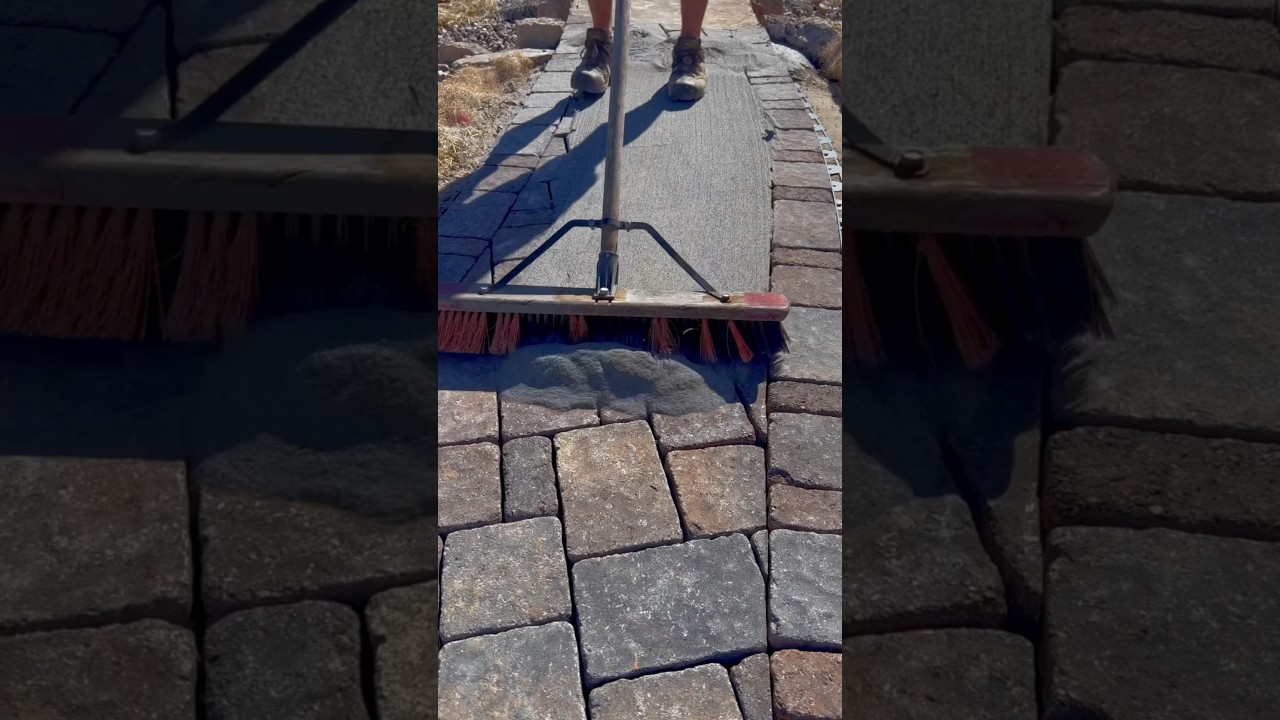
Second, joints. Really large joints between pavers, filled with dirt, welcome weeds. Limited joints filled with polymeric sand withstand sprouting and ant activity. Large-format slabs have fewer joints to begin with, which looks tidy and lowers places where particles accumulates.
Third, inclines and drain. Surfaces need adequate be up to lose water, but not a lot that dirt or gravel continuously get rid of. On business sites, where heavy use exposes any powerlessness, I have actually seen inadequately rated courses end up being annual fixing jobs. For homeowners, a somewhat higher ahead of time investment in correct grading and water drainage almost always pays off.
A low-maintenance backyard does not stay clear of hardscape; it utilizes it tactically. A compact, paved patio might replace a deck that requires staining, or a gravel courtyard might replace a steep, hard-to-mow side yard.
The Right Plant Palette: Tough, Boring, and Beautiful
Plant choice is where most low-maintenance jobs are successful or fail. Numerous house owners are drawn to fancy photos of unique blooms. In real conditions, specifically without consistent interest, those very same plants sulk, flop, or vanish.
For a resilient, low-effort garden landscaping strategy, focus on plants that endure your soil and climate without consistent pampering. Neighborhood understanding matters here. A bush that acts perfectly in the Pacific Northwest might pass away in a single winter in the Midwest. Baby rooms, extension landscaping pasadena solutions, and professional landscape developers in your location generally know which plants can handle some neglect.
An audio low-maintenance plant combination frequently includes:
Structural evergreens that hold form without hefty pruning, such as boxwood options, arborvitae, or dwarf conifers suitable to your region. Long-lived perennials like daylilies, salvia, sedum, or decorative grasses that do not require betting or frequent division. Shrubs that grow on brand-new timber, so you do not need to keep in mind exact pruning timetables. Examples consist of lots of hydrangeas and some spirea varieties. Groundcovers that knit largely sufficient to outcompete weeds as soon as established.The expression I usually utilize with clients is "secure history, seasonal highlights." The steady history originates from a foundation of shrubs and evergreens that look excellent 12 months a year. Seasonal highlights may be a few showier perennials or light bulbs that do not need consistent grooming.
Aim for a minimal variety of various plant species, duplicated throughout the lawn. A style with 40 or 50 one-of-a-kind plants is tough to maintain also for a lover. A more functional residential landscape design strategy might depend on 8 to 12 primary plants, interspersed with a few special accents. From a maintenance perspective, repeating is performance: you learn just how one plant acts, then use that understanding all over it appears.
Smart Layouts: Group by Requirement, Not by Color
Color-themed gardens are stunning, but for low-maintenance landscapes I choose grouping plants by their water and light demands initially. When plants with comparable requirements share a zone, irrigation is less complex and you throw away less water.
A regular layout method may appear like this. Along the warm, sunny side of a driveway, choose drought-tolerant hedges and perennials. Near a downspout or in a reduced place that stays moister, use plants that value added water. Wherever possible, avoid blending parched plants with dry-loving species in the exact same bed.
This technique is common in commercial landscaping, where irrigation systems are zoned by direct exposure and plant type to maintain running expenses foreseeable. Home owners can borrow the exact same reasoning on a smaller scale.
Also think about visibility and gain access to. High-maintenance plants, if you definitely have to have them, must go in places where you can reach them from a course or patio area without stretching over various other growings. Conceal the workhorses behind-the-scenes; place the prima donnas where your hands and eyes can reach them easily.
Mulch: Your Best Employee
If there is a single maintenance device I would certainly not skip, it is compost. A proper mulch layer slows weeds, buffers dirt temperature, maintains wetness, and shields plant roots.
The method is to install it appropriately. Organic mulches such as shredded bark, wood chips, or composted plant product job well for many domestic landscapes. Spread them 2 to 3 inches deep across bare dirt in planting beds, maintaining compost a few inches far from plant stems and tree trunks to prevent rot.
Installing a thick layer of compost right away after planting is specifically crucial in new garden landscape design. The first 1 to 3 years are when weeds can swiftly obtain a footing. As soon as woody plants and groundcovers grow and cast even more color, upkeep often declines noticeably.
Stone or crushed rock mulch can also function, specifically in completely dry climates or modern-style landscapes. It does not break down as swiftly as organic mulch, so it needs covering up less often. The trade-off is that rock reflects warmth and can be rough around shallow-rooted plants in warm areas. It also catches ground cover, so you might invest more time blowing or raking particles off gravel surface areas in the fall.
On numerous industrial websites I have managed, transforming exposed dirt around parking lot trees to deep mulch cut weed control visits virtually in half. The same reasoning uses around a home: deal with compost as a silent, low-cost staff member that functions every day.
Irrigation That Matches Your Reality
Watering is usually what damages the low-maintenance assurance. A landscape that endures only if someone stands outside with a hose pipe for hours during warm front is not low-maintenance. Automatic irrigation systems are not mandatory, however some kind of predictable watering strategy is.
If your spending plan allows, an expertly designed drip irrigation or effective lawn sprinkler deserves severe factor to consider. In both property and commercial settings, I have actually seen properly designed systems reduce water usage by 20 to 40 percent contrasted to hand-operated watering, largely due to the fact that they use water slowly and consistently.
Important points for a low-maintenance setup:
First, different your yard from growing beds on different areas. Lawn commonly requires water on a different routine than hedges or perennials.
Second, favor drip irrigation for beds where sensible. Drip supplies water right to the root area, reduces evaporation, and keeps foliage completely dry, which reduces illness risk.
Third, use a controller with weather condition modification attributes or at the very least easy seasonal programming. Numerous property owners set a timetable once and never alter it, which drainage and can stress plants in wet or dry periods.
If a complete watering system is not possible, layout with hand watering in mind. Place dehydrated plants more detailed to the house where you can reach them quickly with a hose. Utilize large containers rather than numerous little pots, considering that bigger soil quantities dry out more slowly.
Edging, Barriers, and the Battle Against Weeds
Weed control is the chore that most house owners take too lightly. A few dandelions in a brand-new bed appearance innocent in year one. By year three, they have gone to seed and spread through the grass, gravel, and even cracks in the pavement.
The most effective low-maintenance landscapes depend on physical obstacles and thoughtful describing, not continuous herbicide use.
Formal bordering divides yard from beds. Steel, light weight aluminum, concrete mow strips, or durable plastic edging all serve to develop an unique limit that mowers can follow and yard origins can not cross easily. In one small front yard project, mounting a 4 inch concrete visual between turf and shrub beds cut the proprietor's hand-trimming time in front by at the very least 75 percent.
Landscape material under compost is a much more nuanced subject. In my experience, woven professional-grade material can be helpful under crushed rock in courses or car parking strips, where you do not intend to grow much and web traffic is much heavier. Under organic compost and proactively growing plants, textile has a tendency to interfere with soil wellness and is frequently much more problem than it deserves once roots and debris knit right into it. In beds with many perennials, a thick layer of mulch and dense plant spacing are normally far better long-term strategies.
The less bare soil you leave subjected, the fewer weeds you will certainly see. Layout with this in mind from the start. Intentionally fill up area with groundcovers, mulch, or hardscape so opportunistic weeds have nowhere easy to land.
Simple Seasonal Tasks: A Sensible Maintenance Calendar
Even the very best low-maintenance lawn requires some focus. The objective is to concentrate infiltrate foreseeable, manageable ruptureds, instead of constant tinkering.
Here is a small, sensible timetable that benefits many home owners in pleasant climates:
- Early spring: Evaluate watering, reduced decorative turfs, gently prune hedges for form, refresh or cover up compost where thin. Late springtime: Inspect edging, spot-weed beds before seeds create, plant any type of brand-new perennials or hedges you want to add. Mid-summer: Monitor watering, pull any obvious weeds, deadhead only the plants where you truly appreciate repeat bloom. Early loss: Rake or blow fallen leaves off grass and patios, cut down spent perennials that look unpleasant, evaluate any kind of plants that had a hard time and determine whether to replace them. Late fall or winter season (climate-dependent): Architectural pruning on trees and hedges if required, one last pass on clearing up drains pipes and seamless gutters near planting areas.
The exact months differ by area, yet the pattern holds: a few focused weekends a year, light touch-ups in between. When I develop landscapes for customers that travel regularly, I aim for an upkeep rhythm that a neighborhood solution can take care of in 4 to 6 brows through a year without requiring thorough instructions.
Blending Visual appeals and Practicality
Low-maintenance does not mean boring. The technique is to be calculated regarding where you put your style energy.
Use solid forms in hardscape and planting beds. A clean line of clipped bushes next to an easy gravel course can be extra striking than an active mix of blossoms. Select one or two accent trees with excellent form and bark, so the yard still has passion in winter months without counting on blossoms.
Think in layers, yet keep them orderly. A common framework might place taller hedges at the back, mid-sized perennials in front, and a groundcover at the side. As soon as developed, you do not require to fuss over accurate elevations, however the basic layering assists the eye read the room clearly.
Lighting is one more silent ally. A few well-placed low-voltage lights along a course or punctuating at a function tree transform just how a yard feels after dark, without including daily job. Modern LED fixtures are sturdy and power effective, and an easy timer or photocell maintains them on schedule.
In business landscape design, we typically depend on these exact same concepts: strong geometry, restrained plant palettes, resilient materials, and strategic lighting. Home owners can adopt the same state of mind yet on a more personal scale.
When To Generate Specialist Help
Many active homeowners presume that hiring a landscape layout expert is a deluxe. Actually, a couple of hours with an experienced developer can prevent costly mistakes and years of extra work.
Professional insight is specifically useful if:
You have a tricky site: steep slopes, heavy shade, inadequate drain, or highly exposed corners.
You are intending major landscape building and construction, such as brand-new patios, walls, or grading changes. Taking care of hardscape blunders later on is far more expensive than doing them appropriately from the start.
You take care of a rental or little industrial property and can not be on-site on a regular basis. A thoughtful business or property landscaping plan will certainly expect occupant actions, web traffic patterns, and long-term wear and tear.
Many designers supply seeking advice from plans where they check out when, establish a useful, phased strategy, and allow you apply it gradually. This hybrid technique functions well for time-strapped property owners that can deal with some jobs however want a clear, specialist blueprint.
Building a Backyard That Fits Your Life
The most gratifying low-maintenance landscapes do not look like compromises. They appear like precisely what they are meant to be: outside rooms tailored to realities, not to glossy publication photos.
By shrinking and simplifying the lawn, favoring robust plants and clever mulch, buying hardworking hardscape, and preparing watering and edging very carefully, you can reduce routine tasks to a fraction of what lots of backyards need. The outcome is a building that stays tidy with less initiative, feels cohesive year-round, and supports the method you actually live.
The in advance reasoning is the hardest component. When the pieces are in location, your lawn ends up being a background ally as opposed to another item on your to-do list, which change is what active home owners value most.